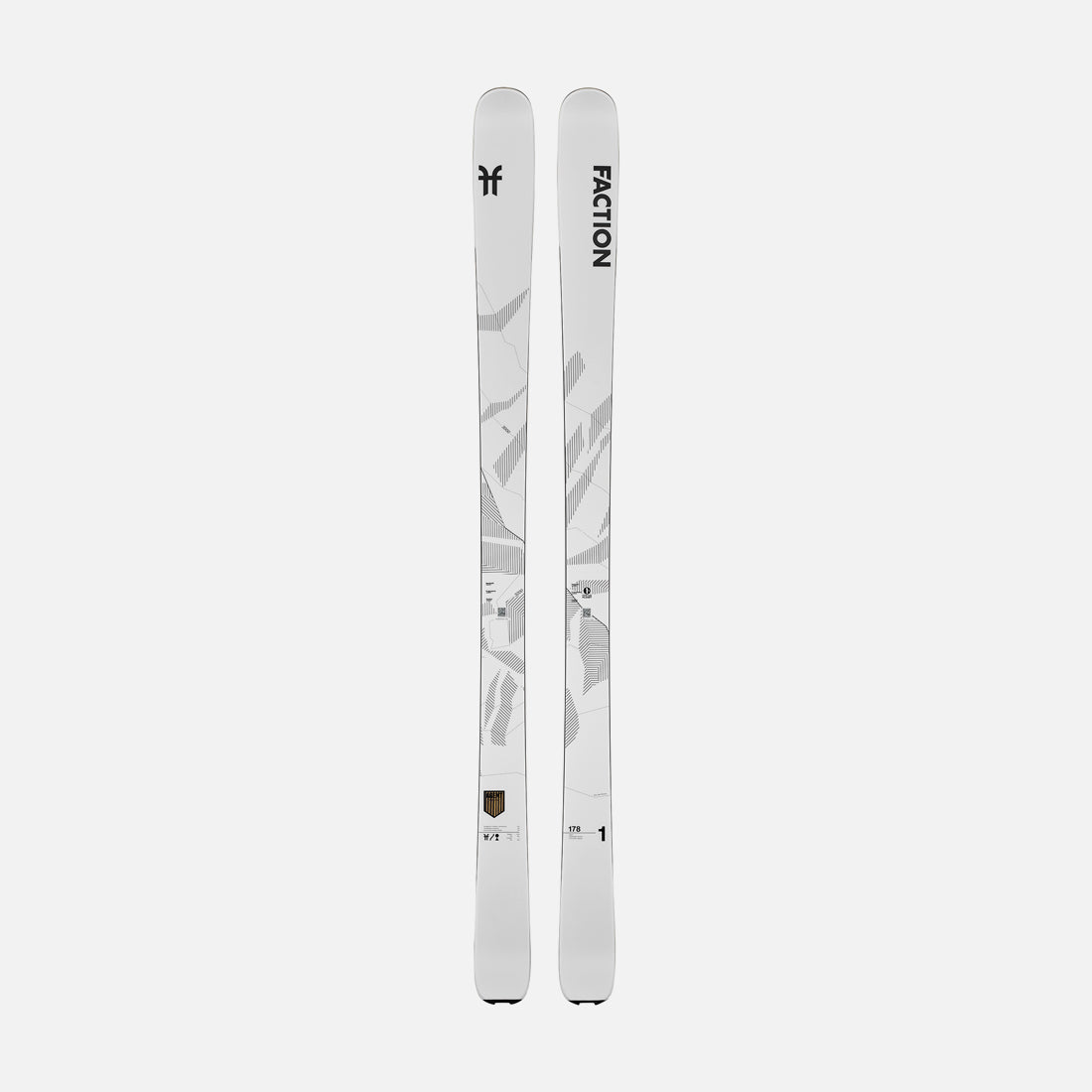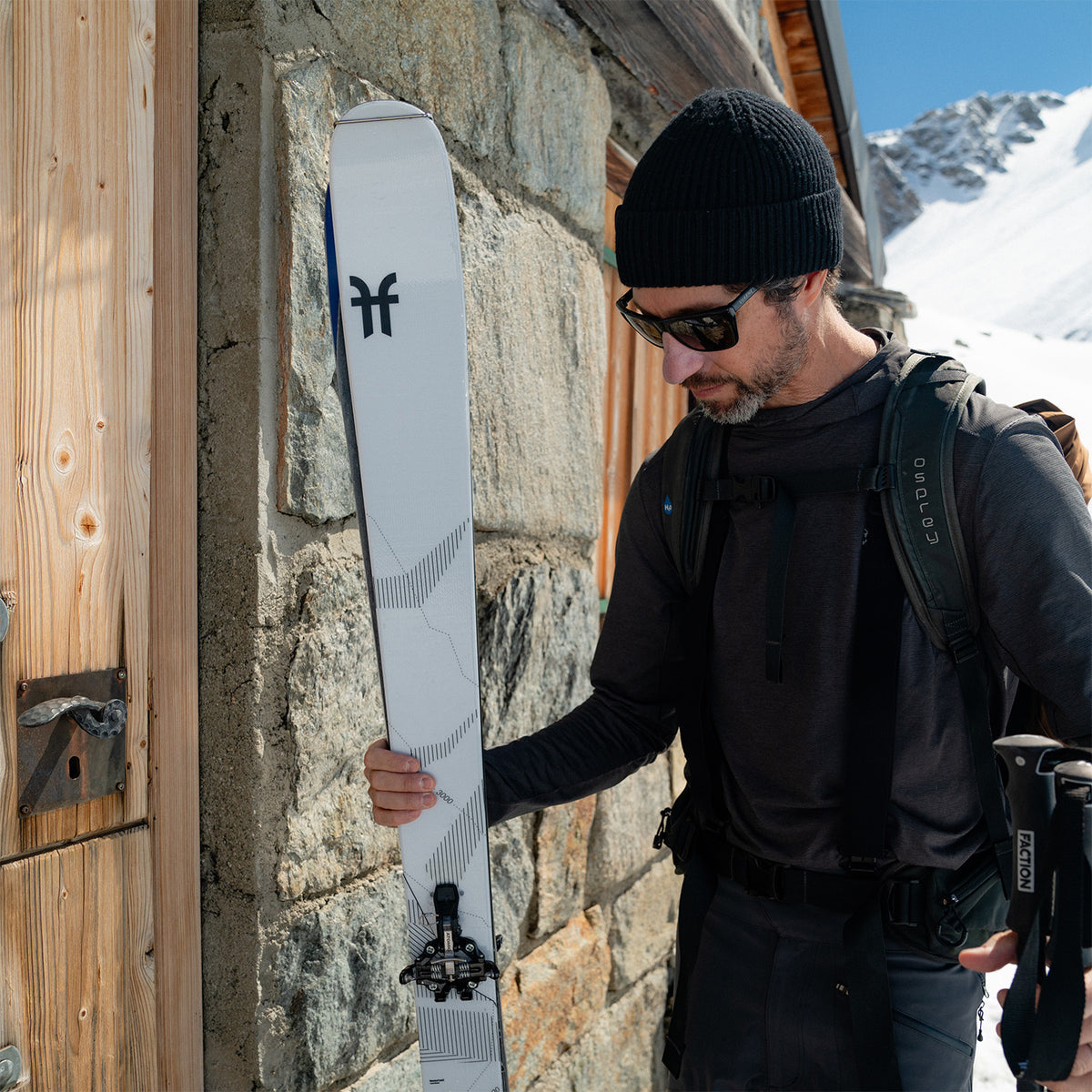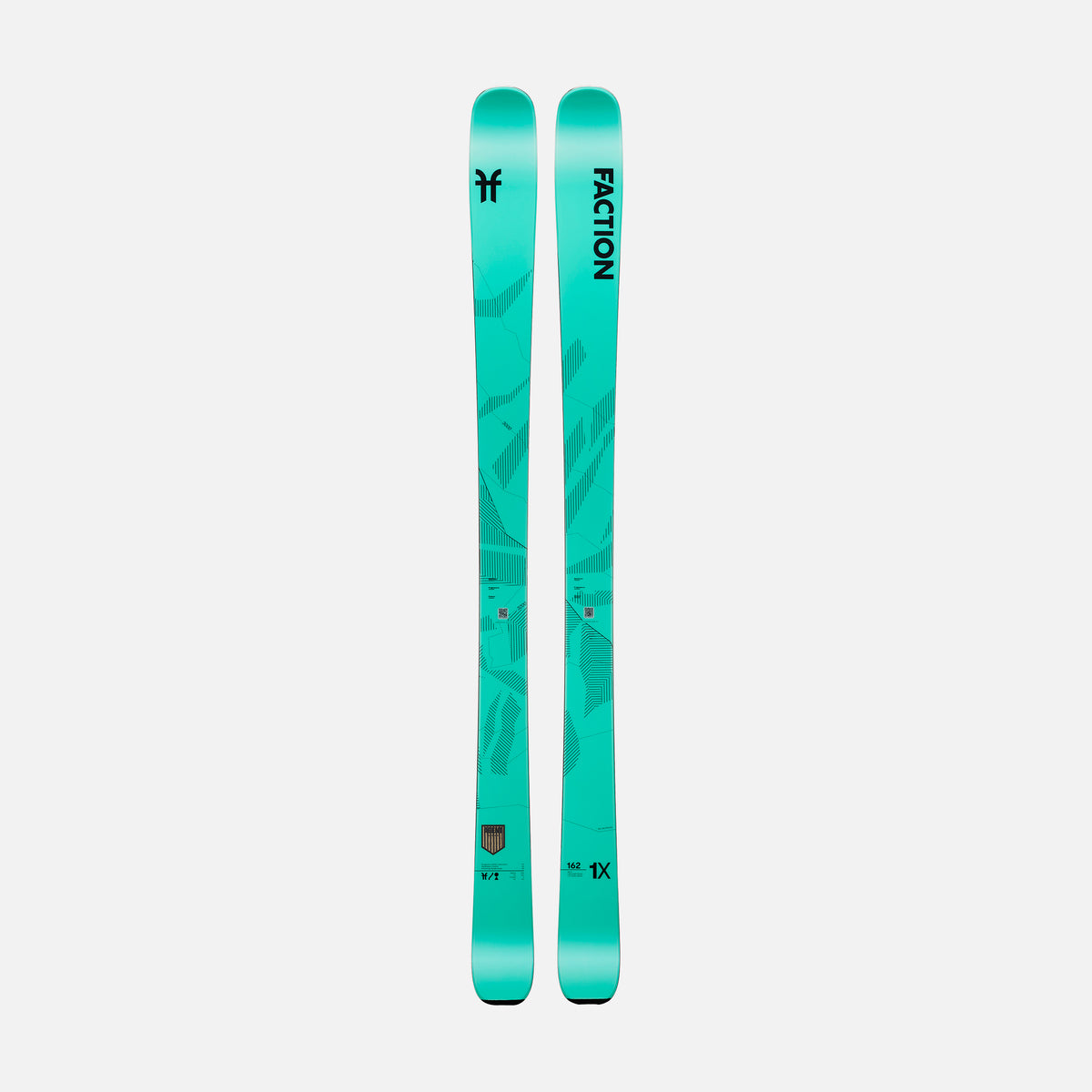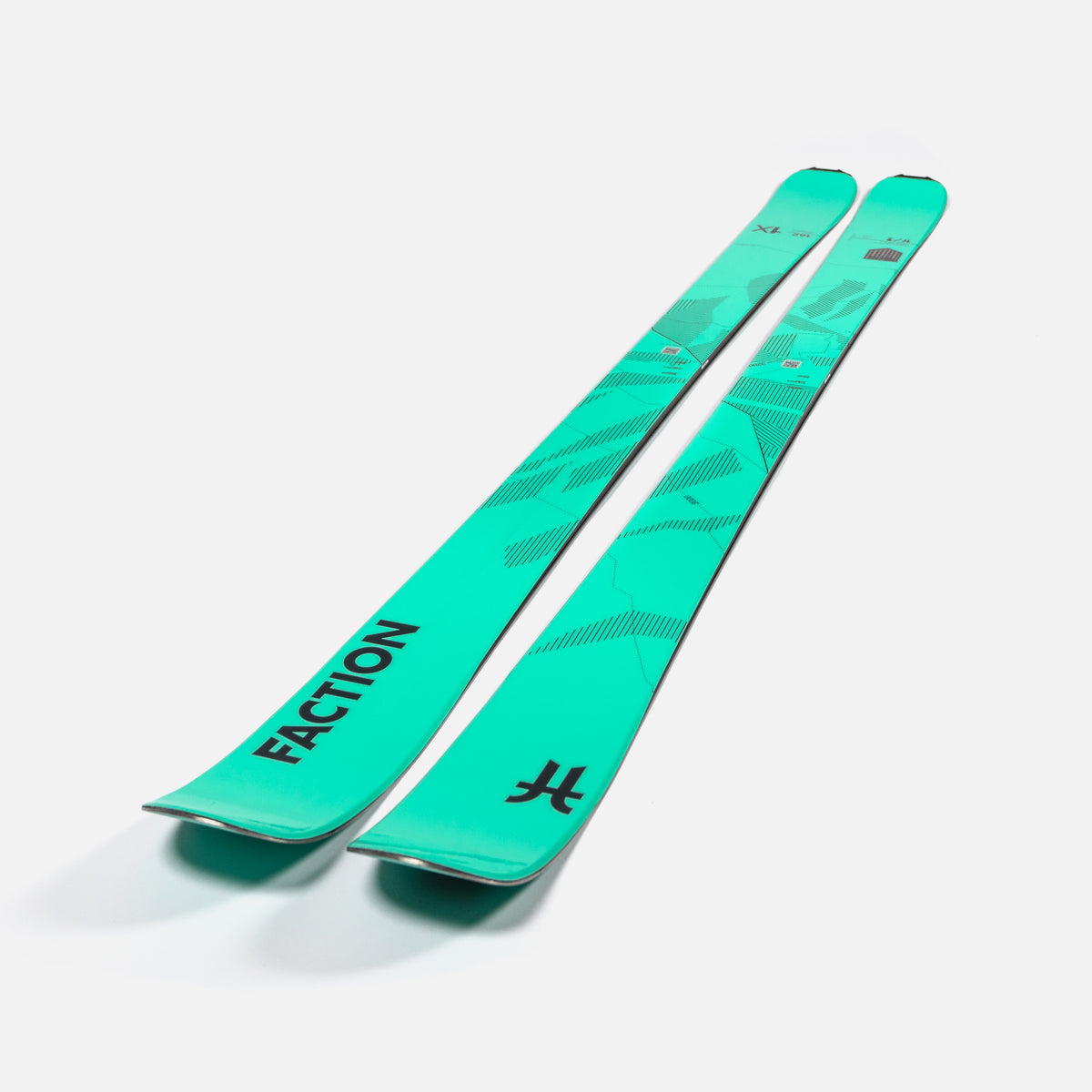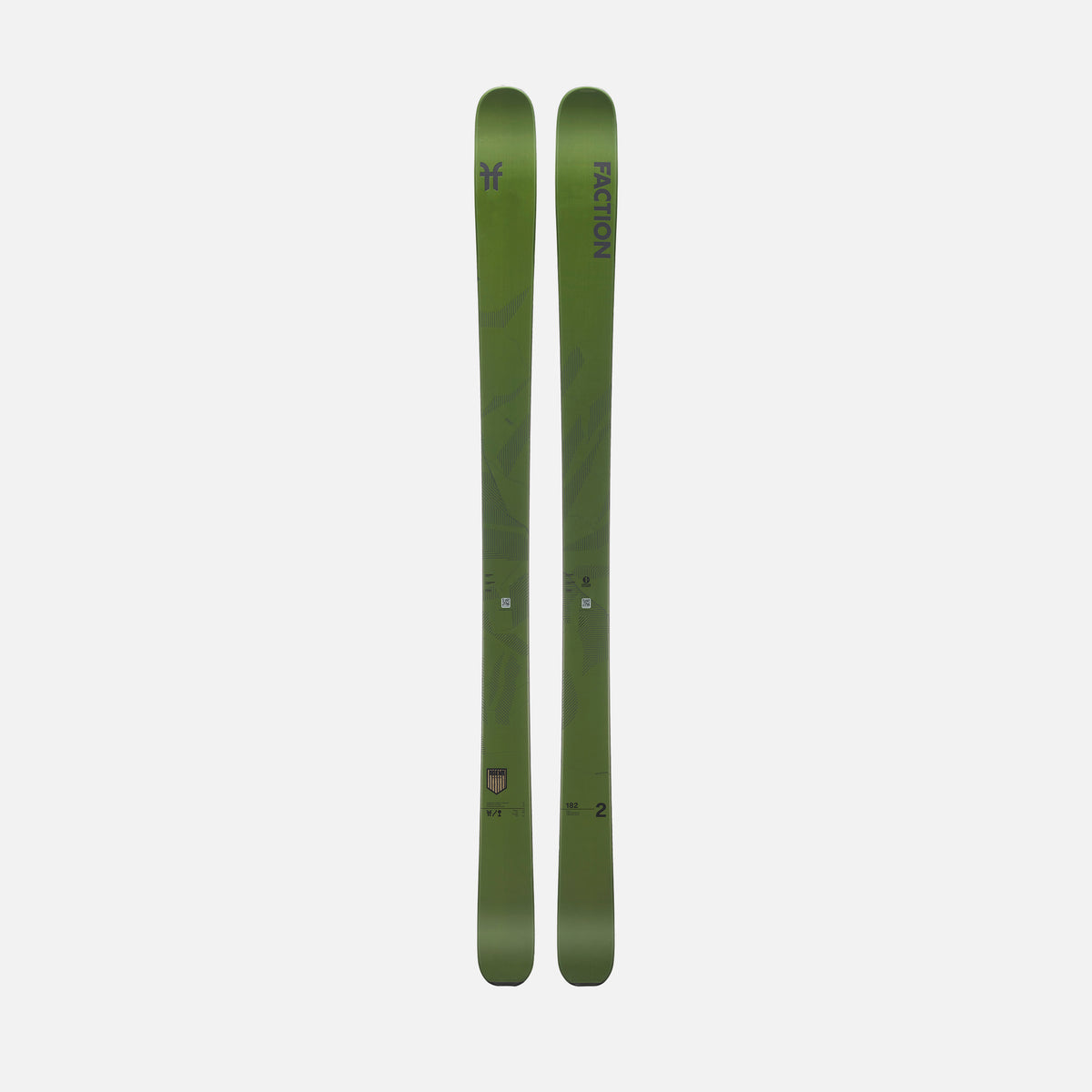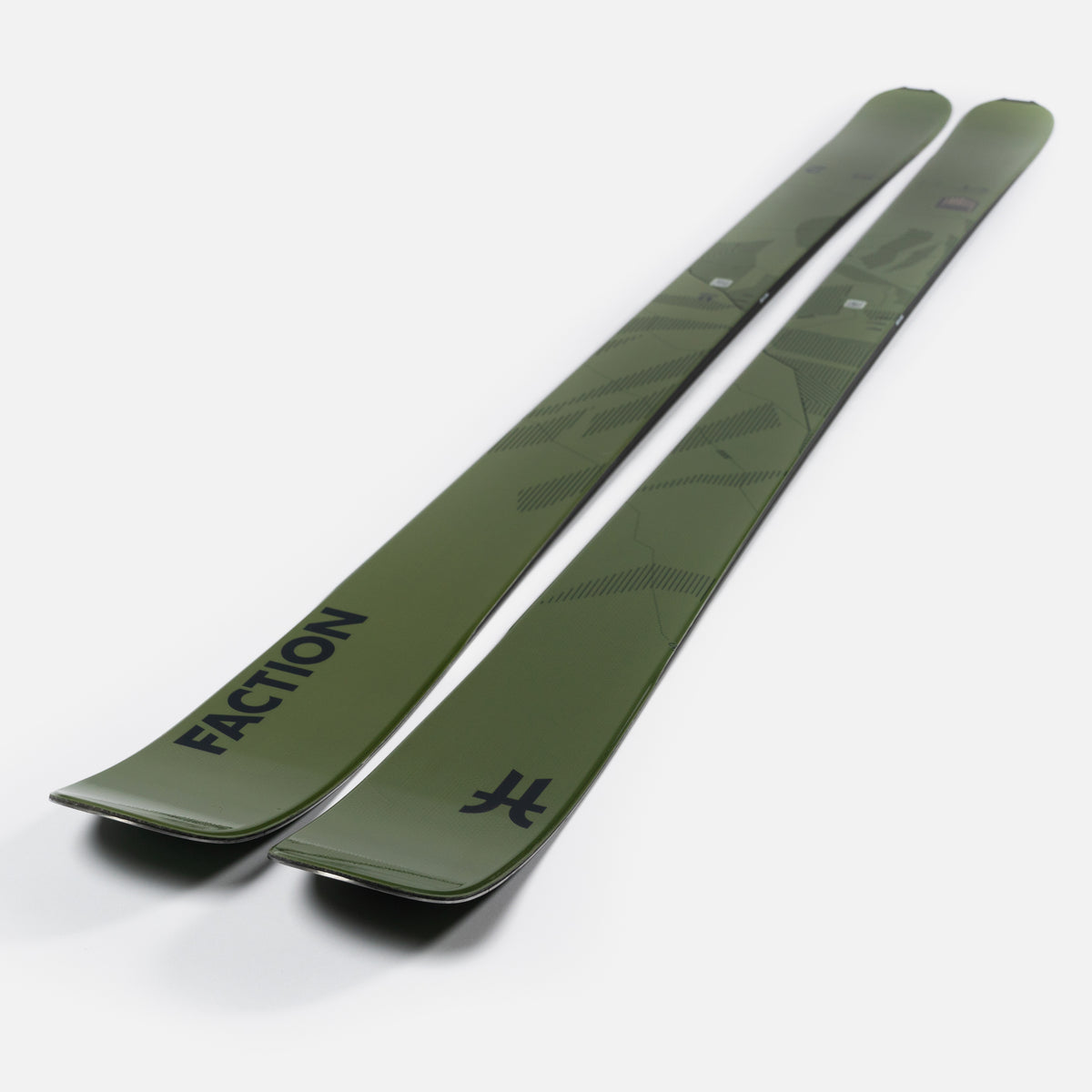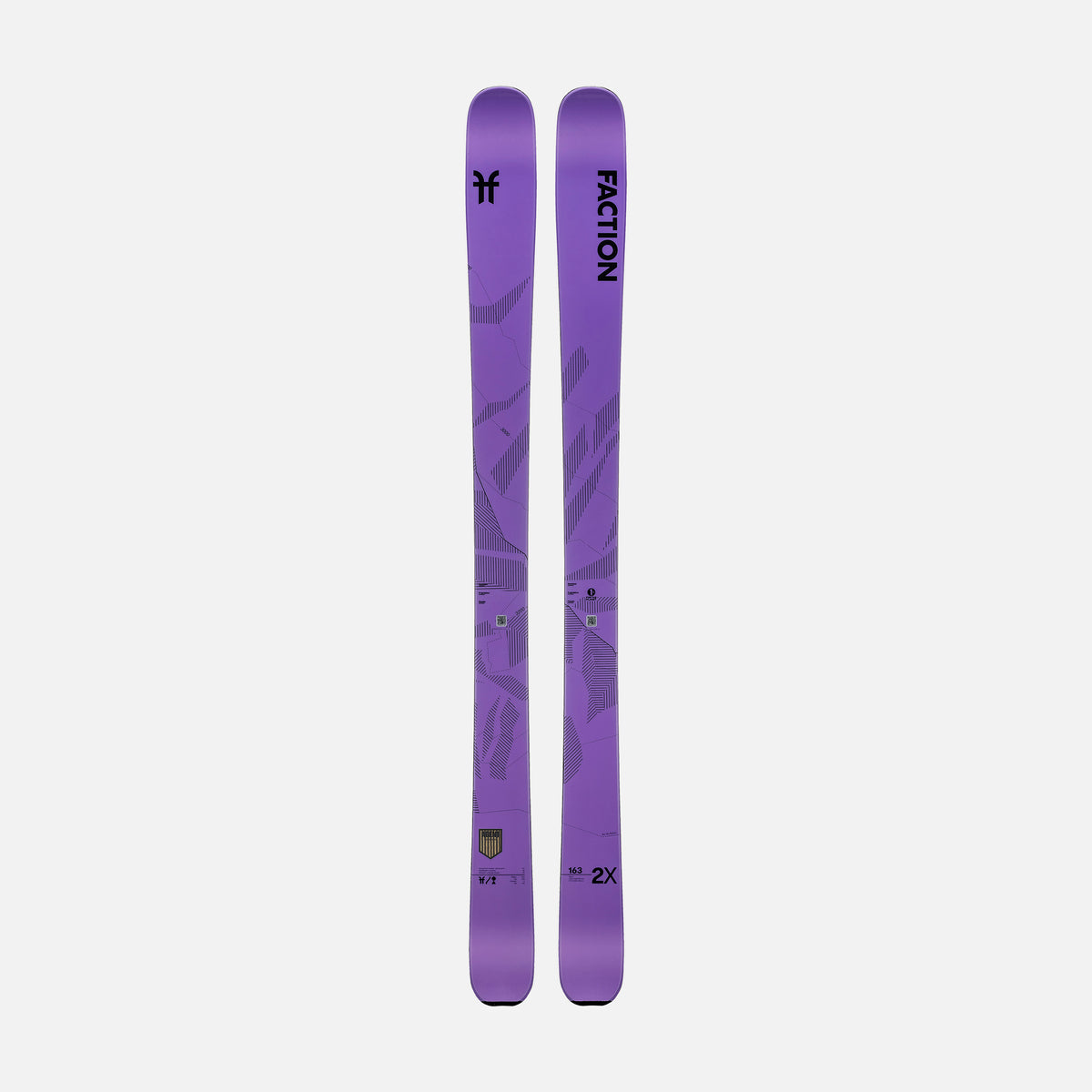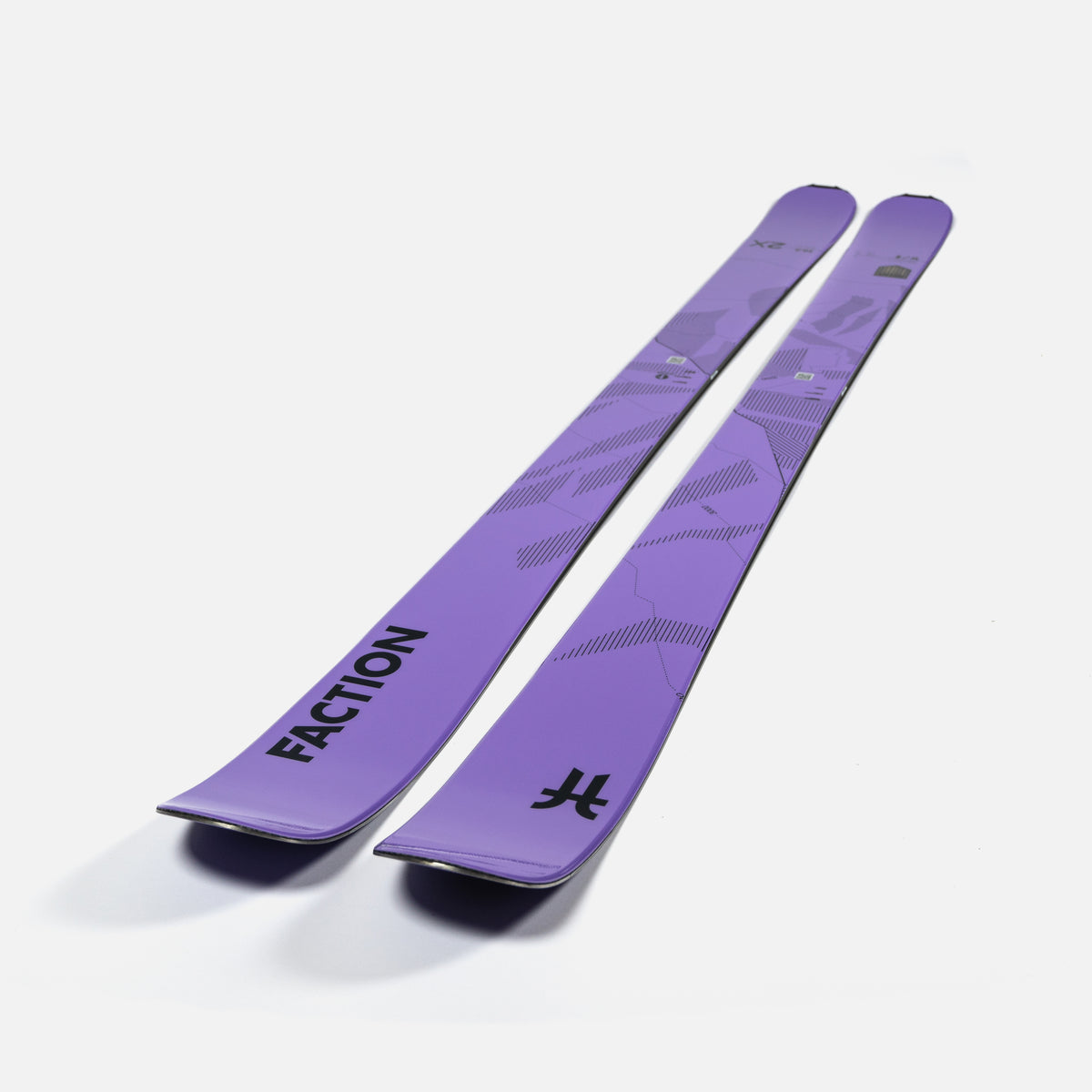






























Ability
Intermediate, Advanced, Expert
Age
Adult
Athlete Picks
Tom Wallisch, Taylor Lundquist, Jed Waters
Base
Fatty Base™ 1.7 mm
Best for
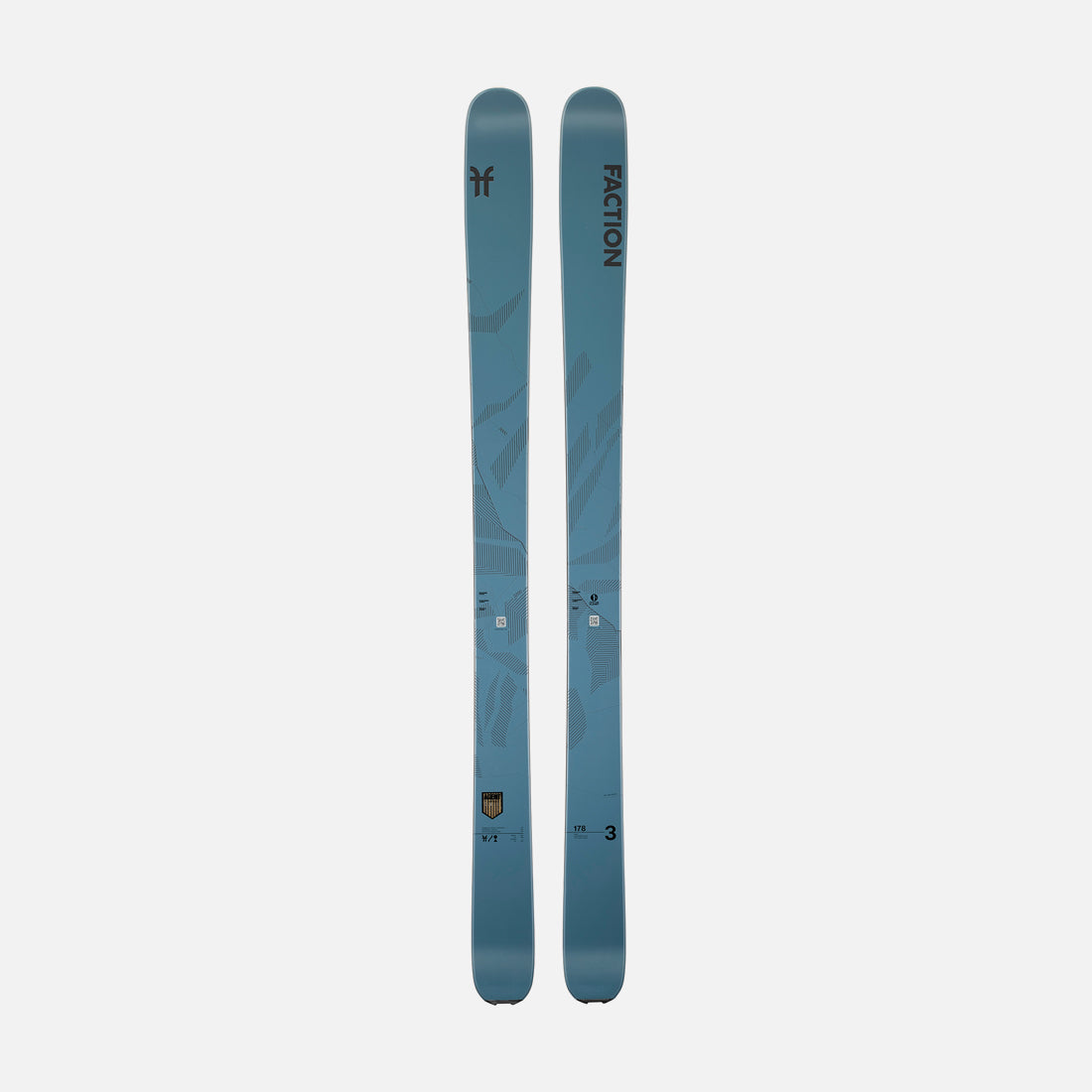
Freestyle, All Mountain, Powder
Edge Dimensions (mm)
Fatty Edge 2.5 x 2.2
Flex Pattern
Symmetric
Geometry
5-Cut
Profile (tip-waist-tail) mm
12-2-12
Shape
142-108-137
Sidecut Radius Avg (m)
17.4m @ 184
Ski Construction
Sidewall
Stance Back from Center (mm)
-40
Turn Shape
Wide, Multi-Radius
Waist Width
100 - 109mm
Weight (g)
4360g @ 184
Wood Core Material
Aspen Maple
Best For:

Freestyle

All Mountain
Powder
Technology
Bio-Resin:

Thick-Cut Sidewall:

We've extended the amount of sidewall that stretches into the core of the ski while adding more material over the steel edges to increase the total bonding surface area. This creates sidewalls more resilient to hard edge impacts, like sliding rails.
Thin Tip™:

SYMMETRIC FLEX:

The same flex pattern in front and behind your boot conforms to terrain equally riding forward & backwards.
Sintered Base:

SIDEWALL CONSTRUCTION:

Ultra-High Density Polyethylene vertical walls over the edges absorb vibrations and provide powerful energy transmission.
EARLY RISE:

The tip and tail lift away from the snow to bring the contact points closer to the center of the ski. This increases a ski's lift in deep snow and allows it to engage more quickly on hardpack when rolled over on edge.
Size Chart
There isn't a perfect size for one's height and/or weight. The general rule is to pick a ski that is going to land somewhere between your chin and the top of your head. Pro and expert skiers may choose skis that are slightly taller than their height allowing for more speed and aggressive skiing, while beginners and intermediate skiers may choose a ski that is shorter (closer to the height of your chin) for a more manueverable feeling ski.
| Skier Weight lbs | Skier Weight kg | Skier Height ft/in | Skier Height CM | Suggested Ski Length Expert | Suggested Ski Length Intermediate |
|---|---|---|---|---|---|
| 30+ | 14+ | 3'6"+ | 107+ | 100 | 90 |
| 40+ | 18+ | 3'9"+ | 114+ | 108 | 98 |
| 50+ | 23+ | 4'0"+ | 121+ | 116 | 106 |
| 60+ | 27+ | 4'3"+ | 130+ | 124 | 114 |
| 70+ | 32+ | 4'6"+ | 137+ | 132 | 122 |
| 85+ | 39+ | 4'9"+ | 145+ | 140 | 130 |
| 100+ | 45+ | 5'0"+ | 152+ | 148 | 138 |
| 115+ | 52+ | 5'3"+ | 160+ | 156 | 146 |
| 130+ | 59+ | 5'6"+ | 168+ | 164 | 154 |
| 145+ | 66+ | 5'9"+ | 175+ | 172 | 162 |
| 160+ | 73+ | 6'0"+ | 183+ | 180 | 170 |
| 170+ | 77+ | 6'2" | 184+ | 188 | 178 |
| 190+ | 86+ | 6'4" | 191+ | 190+ | 186 |
| 210+ | 95+ | 6'5" | 195+ | 190+ | 190+ |
There isn't a perfect size for one's height and/or weight. The general rule is to pick a ski that is going to land somewhere between your chin and the top of your head. Pro and expert skiers may choose skis that are slightly taller than their height allowing for more speed and aggressive skiing, while beginners and intermediate skiers may choose a ski that is shorter (closer to the height of your chin) for a more manueverable feeling ski.
| Skier Weight lbs | Skier Weight kg | Skier Height ft/in | Skier Height CM | Suggested Ski Length Expert | Suggested Ski Length Intermediate |
|---|---|---|---|---|---|
| 30+ | 14+ | 3'6"+ | 107+ | 100 | 90 |
| 40+ | 18+ | 3'9"+ | 114+ | 108 | 98 |
| 50+ | 23+ | 4'0"+ | 121+ | 116 | 106 |
| 60+ | 27+ | 4'3"+ | 130+ | 124 | 114 |
| 70+ | 32+ | 4'6"+ | 137+ | 132 | 122 |
| 85+ | 39+ | 4'9"+ | 145+ | 140 | 130 |
| 100+ | 45+ | 5'0"+ | 152+ | 148 | 138 |
| 115+ | 52+ | 5'3"+ | 160+ | 156 | 146 |
| 130+ | 59+ | 5'6"+ | 168+ | 164 | 154 |
| 145+ | 66+ | 5'9"+ | 175+ | 172 | 162 |
| 160+ | 73+ | 6'0"+ | 183+ | 180 | 170 |
| 170+ | 77+ | 6'2" | 184+ | 188 | 178 |
| 190+ | 86+ | 6'4" | 191+ | 190+ | 186 |
| 210+ | 95+ | 6'5" | 195+ | 190+ | 190+ |